








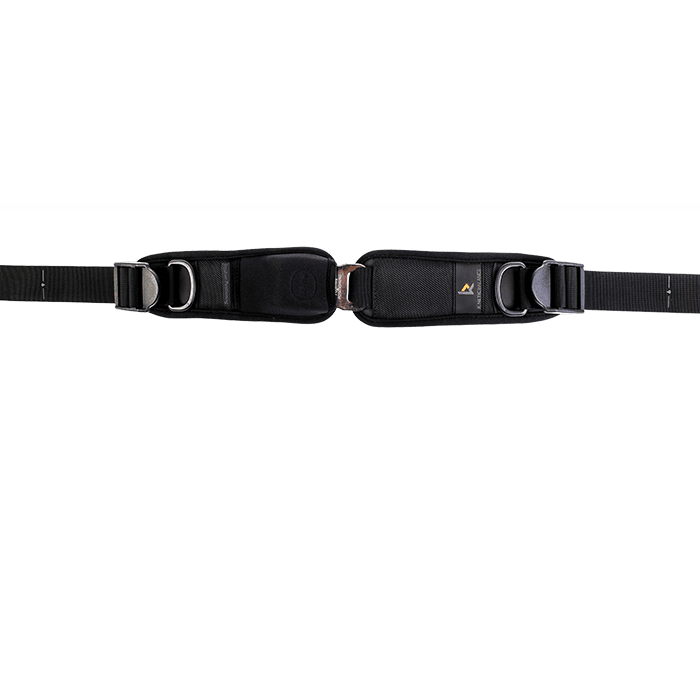
Hip Harness, Centre Buckle, Neoprene
€0,00 excl. VAT
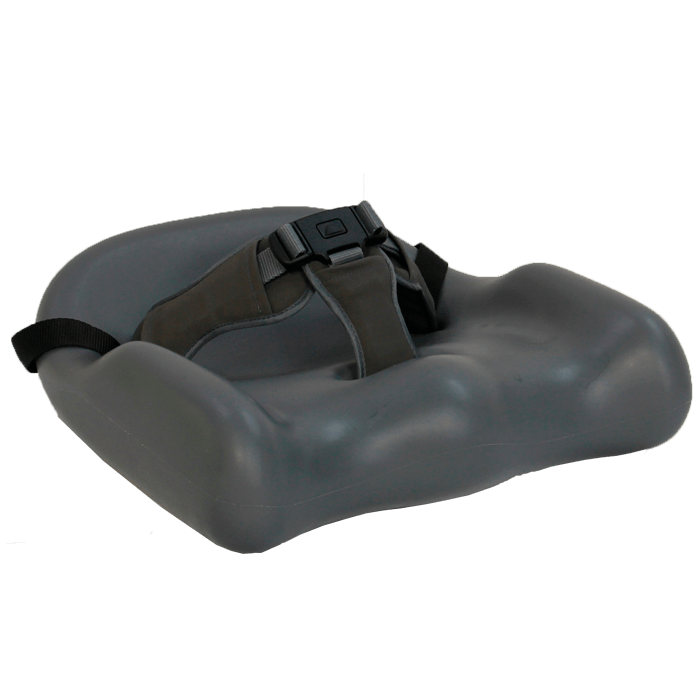
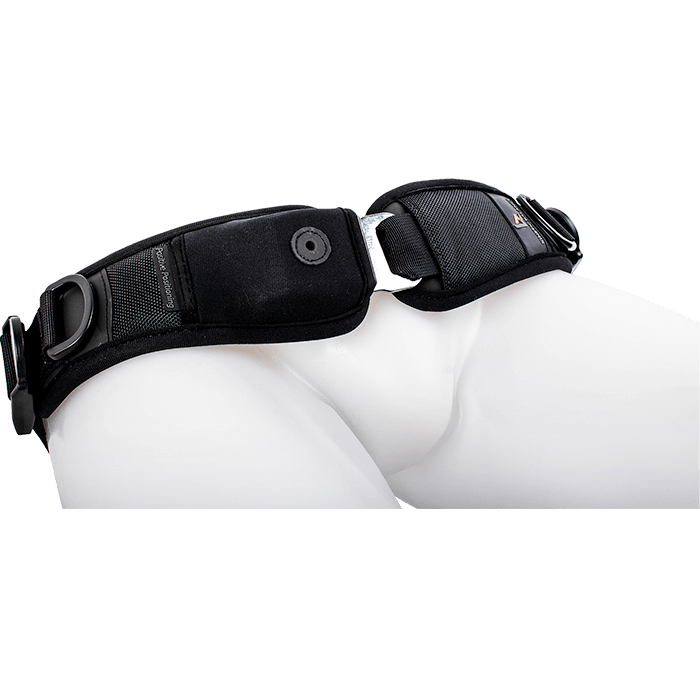
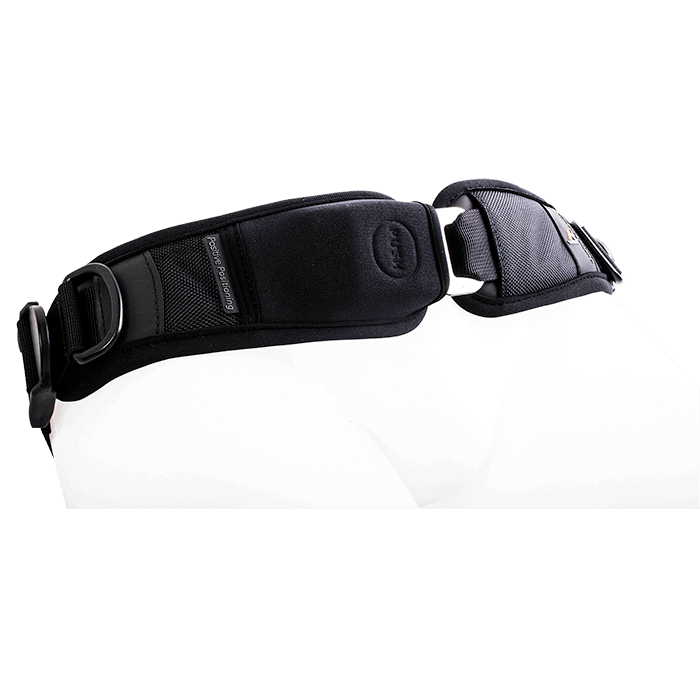
A 2-point hip harness that holds the hips neutral — the foundation of any seating solution. Each side tightens independently for asymmetric positioning, and the centre push-button opens with one hand.
- Corrects posterior pelvic tilt and pelvic obliquity
- Independent left/right adjustment
- One-handed centre release · two padded sides
- CE-certified · Sizes XS–XL
 Size Chart
Out of stock
- Fast Shipping
- Wordwide Shipping
- Out of stock
The starting point of any seating solution
A hip harness is the first thing to fit. Hold the hips in a neutral, symmetrical position and the trunk and legs above them follow — which is why occupational therapists and physiotherapists work from the hips upward before adding chest or leg positioning.
- Corrects posterior pelvic tilt (sacral sitting and sliding forward)
- Corrects pelvic obliquity (one side sitting lower than the other)
- Two-point mounting for a stable, symmetrical base
- Two padded sides protect the skin over the hips
One-button release
Each side tightens independently, so an asymmetric position can be corrected with more tension on the side that needs it — not something a single-adjust harness can do. The centre push-button opens with one hand for fast transfers.
- Double adjustable — independent left/right tension
- Centre release push-button; quick and simple for carers
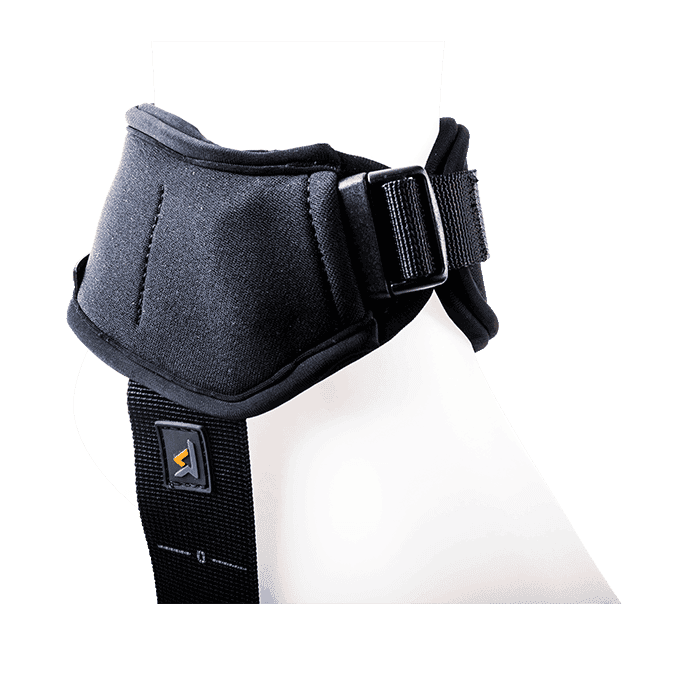
- Covered buckles, rounded webbings, trim strip
- Water- and dirt-repellent with material reinforcements
- CE-certified · Sizes XS–XL
Fitting
Harness angle decides whether it works. It should pull down and back across the hips, not up over the abdomen — a harness sitting too high invites the user to slide underneath it. This is a positioning aid, not a vehicle restraint.
- Angle and fit set by an occupational therapist or physiotherapist
- Re-check after growth or a change of chair or cushion
- Use an approved occupant restraint for transport
- Contact us for sizing or a trial