





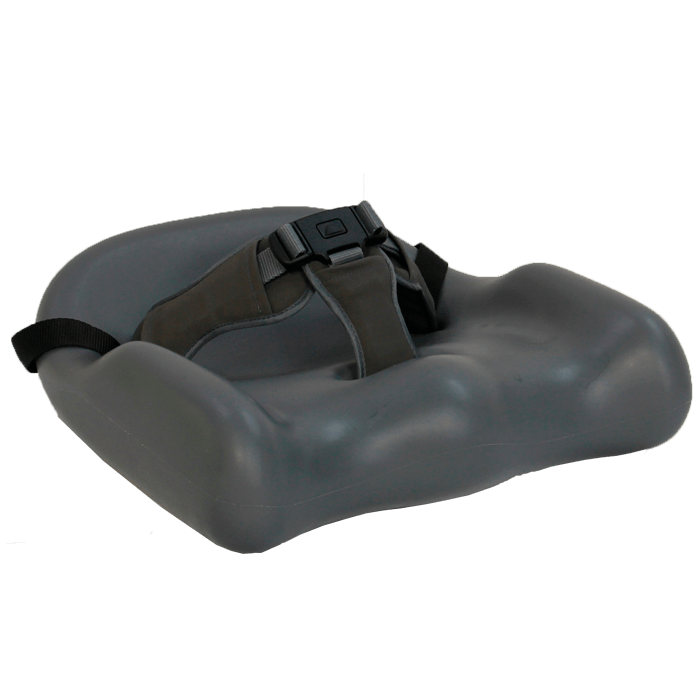
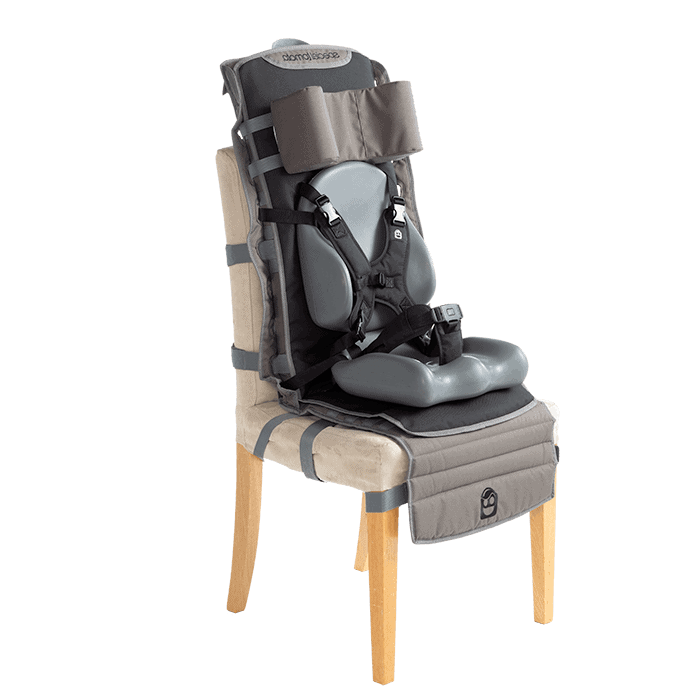
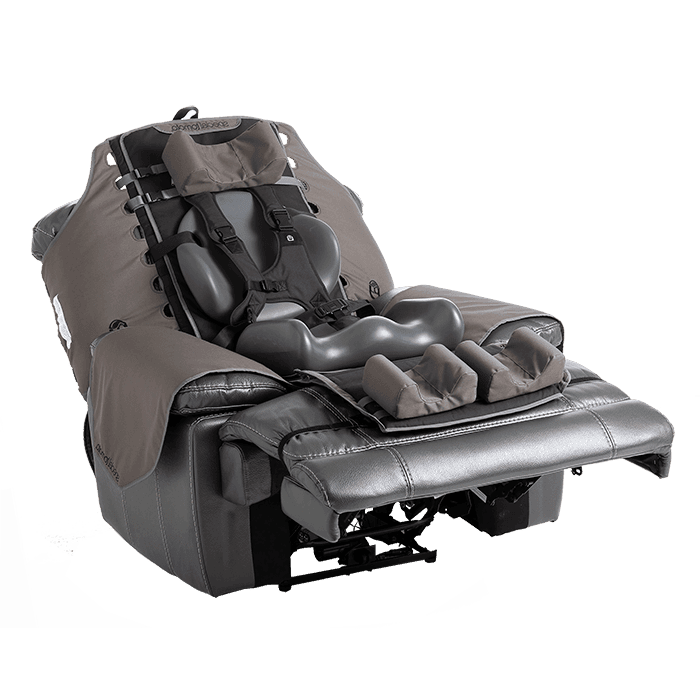

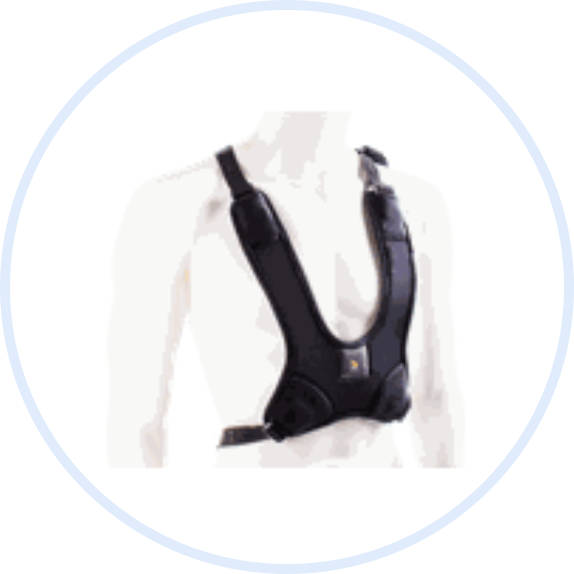
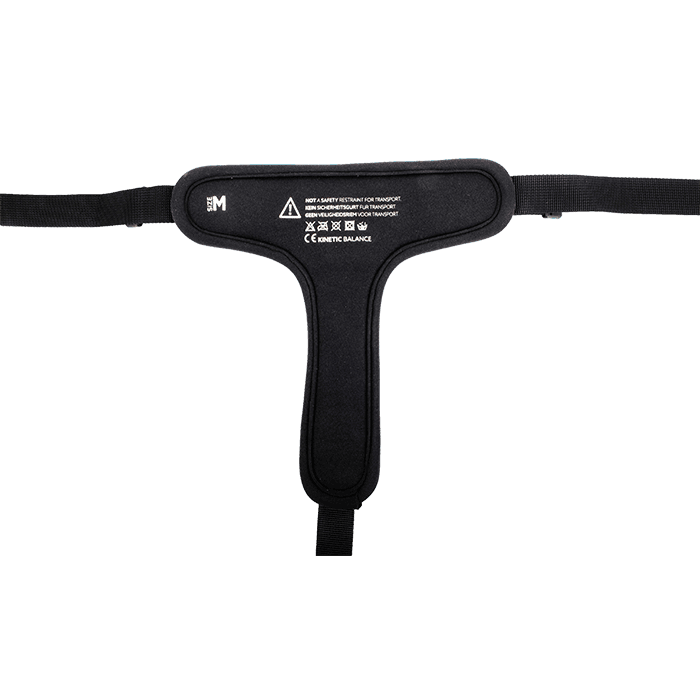
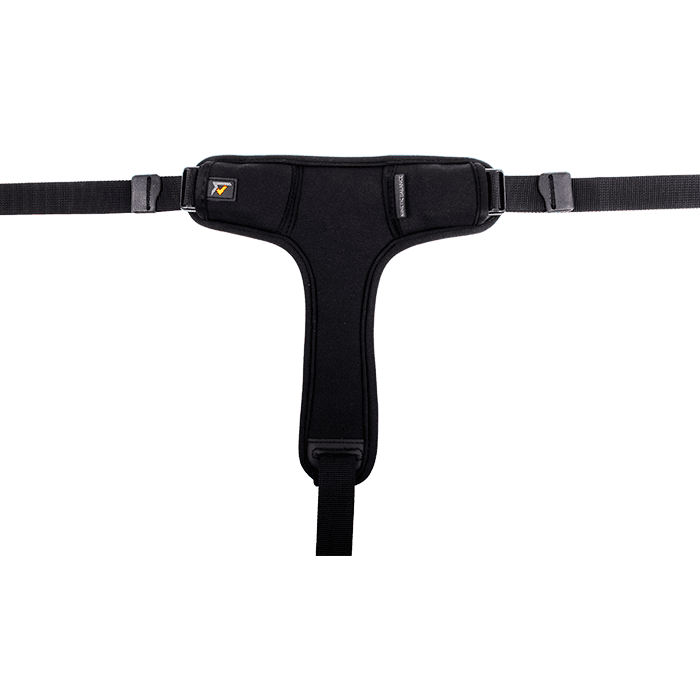
T-Shaped Pelvic Harness, Two-Finger-Release Buckle, Neoprene
€180,00 excl. VAT
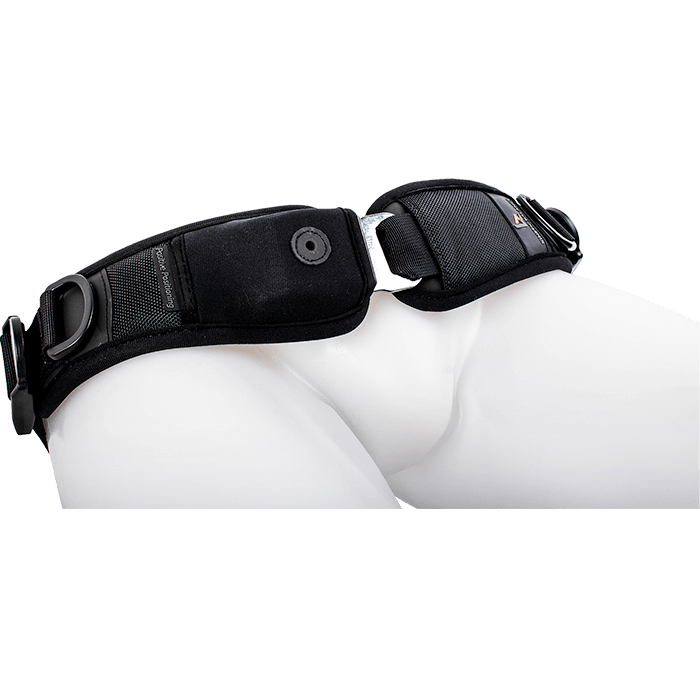
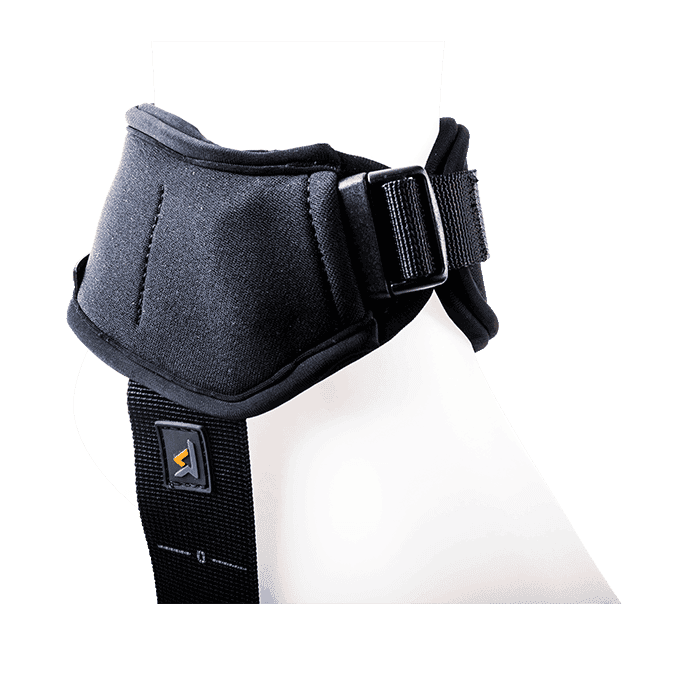
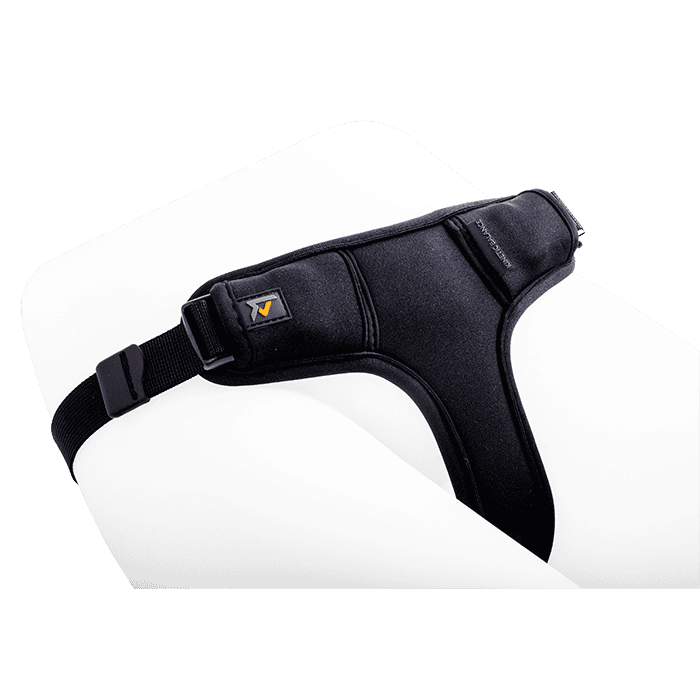
A three-point pelvic positioning harness that holds the pelvis neutral and stops the user sliding forward in the seat. Because posture is built from the pelvis upward, this is usually the first product to fit — and often the one that makes everything above it work better.
- Three-point mounting over the pelvic brim and ASIS
- Prevents forward sliding and posterior pelvic tilt
- Flexible material allows movement; non-flexible version available
- Independent left/right pressure adjustment
- Covered side-click clasps · Sizes S–XL · CE-certified
 Size Chart
- Fast Shipping
- Wordwide Shipping
- In stock
Get the pelvis right and everything above it improves
The Pelvic Support is a three-point positioning harness that holds the pelvis in a neutral, upright position. It works across the pelvic brim and the anterior superior iliac spine (ASIS), stabilising the pelvis and preventing it from shifting forward or backward.
This is the foundation product in any seating solution. Occupational therapists and physiotherapists work from the pelvis upward for a reason: a pelvis that rolls backward into posterior tilt takes the whole spine with it, producing the familiar sacral sitting position with a rounded back, a forward head and a user gradually sliding out of the chair. Correcting the trunk while the pelvis is still unstable rarely holds. Correct the pelvis first, and trunk and head position frequently improve on their own — often reducing how much chest support is needed afterwards.
Three-point mounting for secure, symmetrical positioning
Supports the pelvic brim and ASIS to maintain a neutral pelvis
Prevents forward sliding and posterior pelvic tilt (sacral sitting)
Restrains at the pubic bone rather than across the abdomen
Improves the starting point for trunk, head and upper limb function
Enough give to move, enough hold to work
The flexible version allows a small range of movement, so the user can shift weight, lean into an activity and breathe freely without losing the corrected pelvic position. For many users this is the right level: guidance rather than rigid fixation, which supports pressure relief and active participation.
Where firmer, more precise pressure is required — strong extensor thrust, or asymmetry that needs directional correction — a non-flexible version is available, and pressure can be adjusted independently on the left and right sides to match an asymmetric pelvis. Covered side-click clasps handle daily opening and closing, so no hardware sits against the skin and transfers stay quick.
- Flexible material for a small, comfortable range of movement
- Non-flexible option available where precise pressure is needed
- Independent left/right adjustment for asymmetric pelvic position
- Covered side-click clasps — fast to open, skin-safe
Fitting, angle and safe use
Mounting angle is what makes a pelvic harness work. It should pull down and back across the ASIS, not up across the abdomen — an incorrectly angled belt encourages exactly the forward sliding it’s meant to prevent, and can load soft tissue rather than bone. Getting this right is a job for an occupational therapist, physiotherapist or seating specialist, and it should be re-checked after any change of chair, cushion or growth spurt.
This is a positioning aid, not a transport safety restraint, and it does not replace a vehicle occupant restraint. Check attachment and strap tension daily, inspect webbing and padded parts regularly for wear, and seek medical advice before use where the user has vascular disease, impaired sensation, a stoma or an indwelling catheter.
- Assessment, mounting and angle set by a qualified therapist
- Re-check fit after growth or a change of chair or cushion
- Not a vehicle restraint — use an approved occupant restraint for transport
- Daily tension check; regular wear inspection
- SKU GP-KI/OR-20500 · CE-certified medical device
- Contact us for sizing help or to arrange a trial