




Foot Harness, Hook-and-Loop Closure, Neoprene
€0,00 excl. VAT
Ankle Positioning Hook and Loop Closure
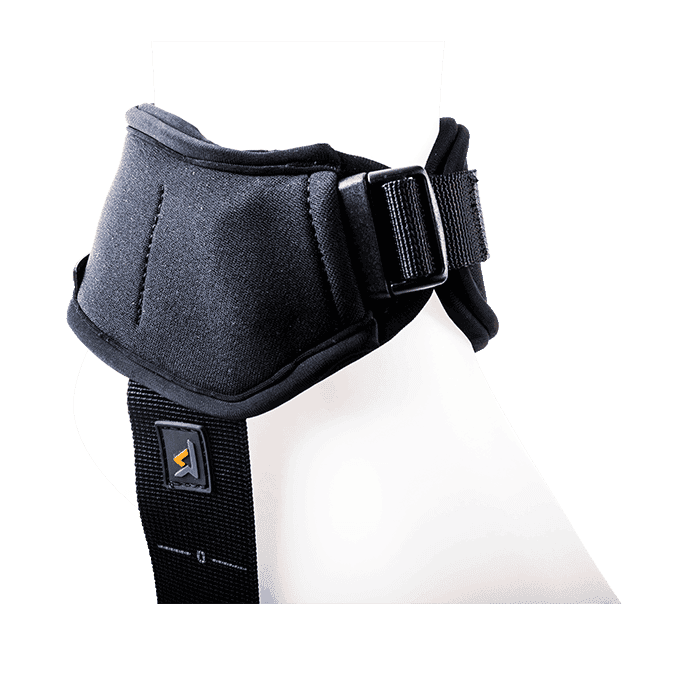
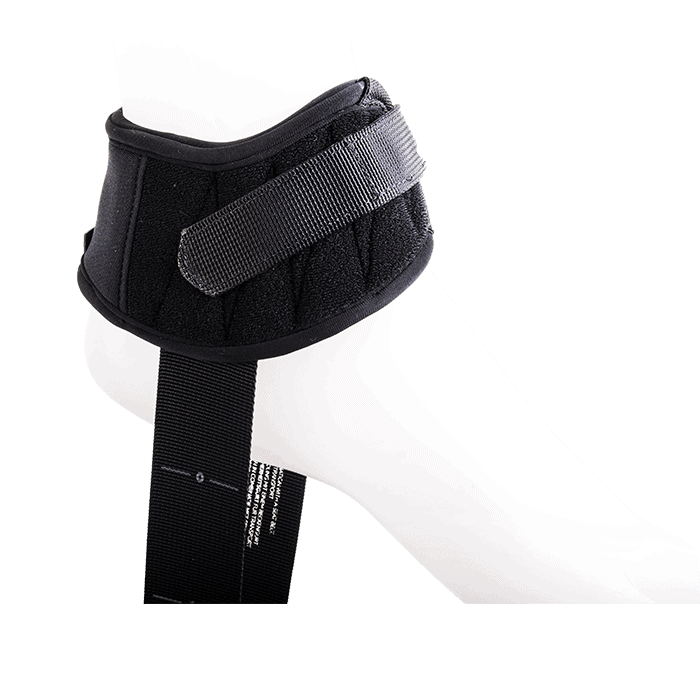
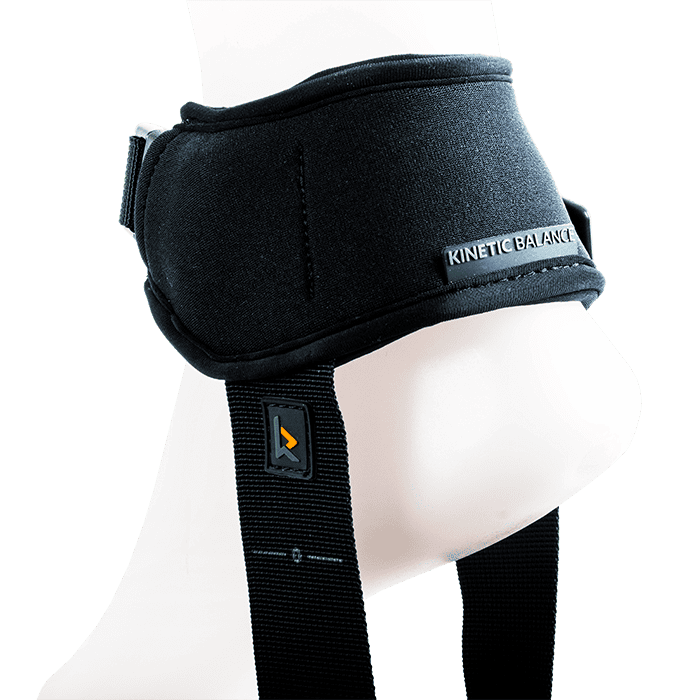
Straps that wrap around the ankles and mount to the footrests, keeping the feet correctly placed and stopping them sliding off. Hook-and-loop closure adjusts steplessly around the ankle, so it fits comfortably regardless of footwear or swelling.
- Keeps feet on the footrest and corrects foot position
- Stepless hook-and-loop adjustment
- Rounded webbings, covered buckles, trim strip — skin-friendly finish
- Mounting brackets included · CE-marked · Sizes XS–L
- Must always be used together with a hip belt
 Size Chart
Out of stock
- Fast Shipping
- Wordwide Shipping
- Out of stock
Keeps the feet where they belong
The Ankle Positioning straps wrap around the ankles and mount directly to the footrests, holding the lower limbs in a correct, symmetrical position. For users with involuntary movement, extensor spasms or low tone, feet that slide off the footrest are a daily problem — and a genuine injury risk when the chair is being pushed or propelled.
Foot placement is rarely just about the feet. Once the feet are loaded and stable on the footrest, occupational therapists and physiotherapists usually see the benefit travel upwards: better pelvic position, less sliding forward in the seat and a more stable trunk.
- Positions the lower limbs and keeps feet on the footrest
- Corrects and maintains foot position during seating
- Hook-and-loop closure — stepless adjustment around the ankle
- Mounting fasteners for the footrest included
Sizes XS, S, M and L with clear size indication
Details that matter against the skin
The ankle is a bony, exposed area, so the finish of the strap counts. Rounded webbings prevent hard edges from digging in over the malleoli, and covered buckles keep hardware away from the skin. A trim strip tidies away excess strap so nothing dangles into the wheels or catches during transfers.
- Rounded webbings — no sharp edges against the ankle
- Covered buckles for skin protection
- Trim strip keeps excess strap tidy and out of the wheels
- Water-repellent materials, easy to wipe clean
- Single adjustable · CE-marked medical device
Important: always use with a hip belt
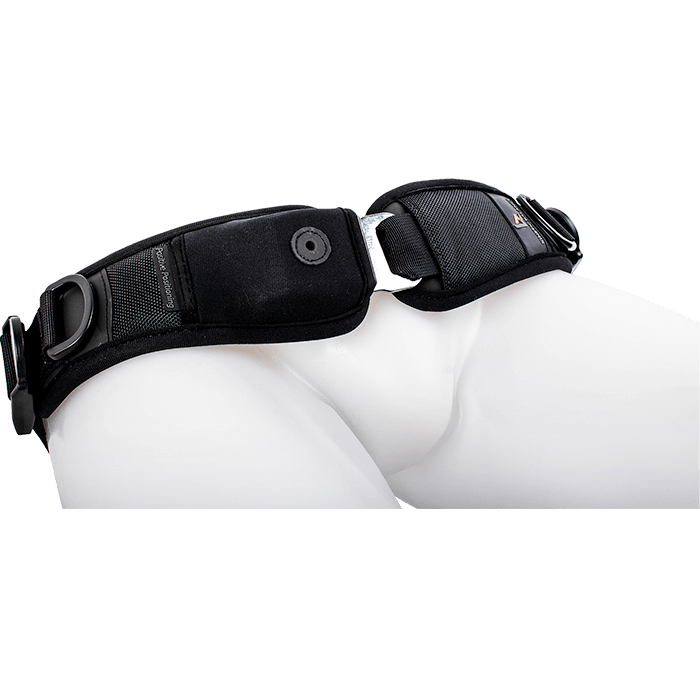
Ankle positioning must never be used on its own. A hip belt is always required alongside it. Securing the ankles without stabilising the pelvis allows the user to slide forward in the seat while the feet stay fixed — which puts unwanted strain on the knees and hips and can create a serious risk of injury. The pelvis is stabilised first; the ankles are the finishing touch.
Fitting should be assessed by an occupational therapist or physiotherapist, and skin condition around the ankles checked regularly during the first period of use.
- Must always be combined with a hip belt
- Assessment and initial fitting by a qualified therapist
- Check skin and circulation regularly, especially early on
- Contact us for sizing help or to arrange a trial